Location
3/4, Sarswati Plaza Opp. N.A.S. College, E.K. Road, Meerut

Dr. Vineet Bansal's Clinic, located at 3/4, Saraswati Plaza, Opposite N.A.S. College, E.K. Road, Meerut, is renowned for its excellence in cardiology. With exceptional expertise, Dr. Vineet Bansal is committed to delivering high-quality, personalized healthcare services.
 By Dr. Vineet Bansal
 Sept 16, 2026
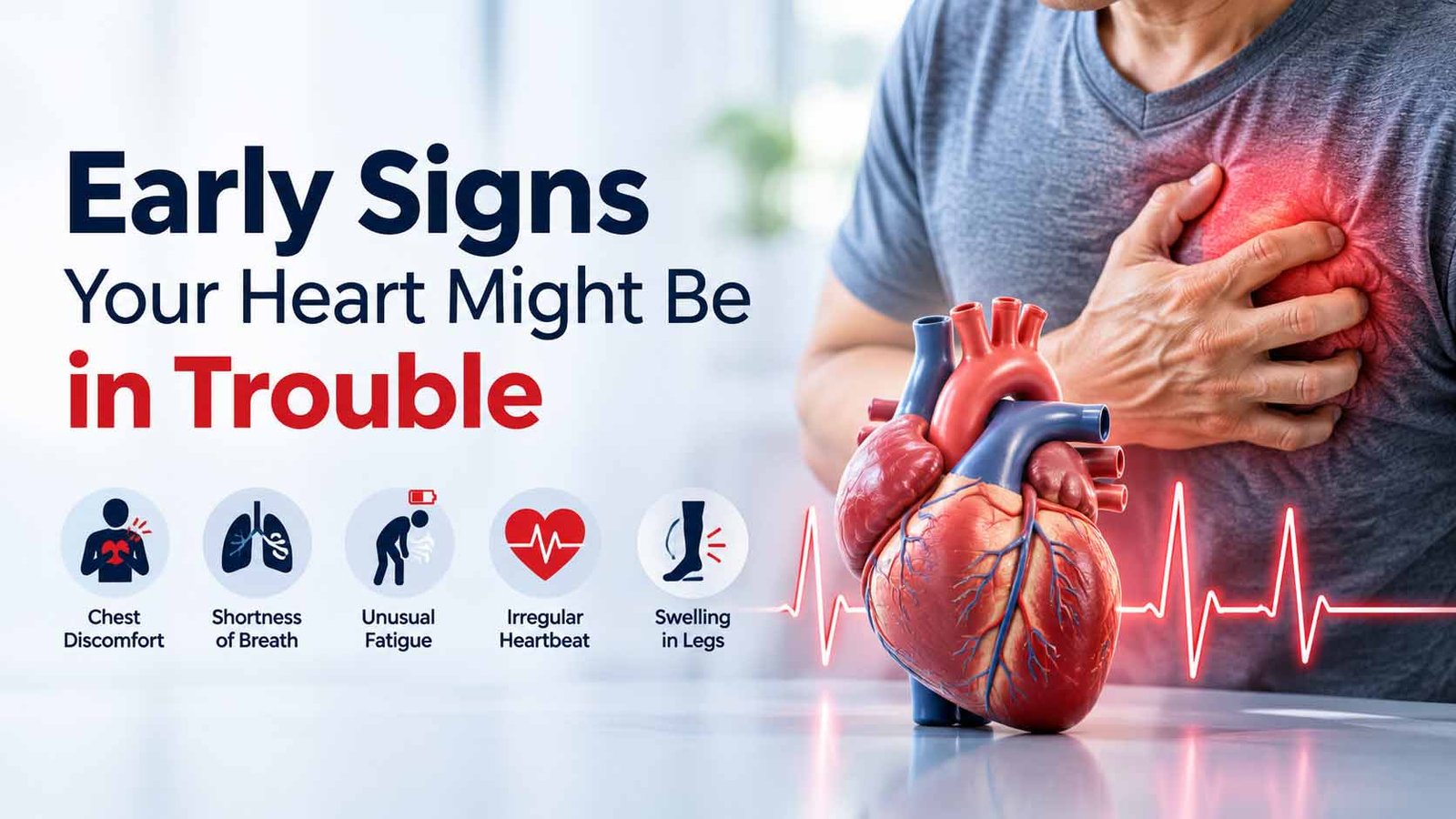
Heart disease does not always begin with severe chest pain or a sudden medical emergency. Sometimes, the body provides subtle warning signs that are easy to overlook. Unexplained tiredness, shortness of breath, chest discomfort, or an irregular heartbeat may indicate an underlying heart condition.
Recognizing the early signs of heart problems can help individuals seek timely medical evaluation and reduce the risk of serious complications.
Dr. Vineet Bansal, MBBS, MD, DM (Cardiology), a cardiologist in Meerut, emphasizes the importance of heart health awareness, understanding potential warning signs, and seeking appropriate medical attention.
Chest discomfort is one of the most recognized warning signs of coronary artery disease and heart attacks.
It may feel like:
Chest discomfort caused by reduced blood flow to the heart may appear during exertion and improve with rest. However, a heart attack can also cause discomfort at rest.
Important: New, severe, persistent, or recurring chest discomfort may indicate a medical emergency. Seek emergency medical attention immediately.
Feeling breathless after intense exercise can be normal. However, experiencing difficulty breathing while walking, climbing a few stairs, or performing routine activities may indicate a heart-related problem.
Shortness of breath can occur when the heart cannot pump blood efficiently or when blood flow to the heart muscle is reduced.
Pay attention if you experience:
These symptoms can also occur with lung conditions and other medical problems, making proper evaluation important.
Everyone experiences tiredness occasionally. However, persistent or unexplained fatigue that interferes with daily activities should not be ignored.
In some individuals, unusual fatigue may be associated with heart failure, coronary artery disease, or other cardiovascular conditions.
Possible warning signs include:
Fatigue alone does not necessarily indicate heart disease. Anemia, thyroid disorders, sleep problems, and several other conditions can produce similar symptoms.
Your heartbeat may become faster during exercise, emotional stress, or excitement. However, repeated episodes of an unusually fast, slow, or irregular heartbeat may require medical assessment.
These sensations are often called palpitations.
You may notice:
Palpitations can have harmless causes, but they may also occur with abnormal heart rhythms, known as arrhythmias.
If palpitations are accompanied by fainting, severe dizziness, chest pain, or significant breathlessness, seek emergency medical care.
Persistent swelling in the lower limbs can sometimes indicate fluid retention associated with heart failure.
Persistent swelling in the lower limbs can sometimes indicate fluid retention associated with heart failure.
Symptoms worth discussing with a healthcare professional include:
However, swelling can also result from kidney problems, venous conditions, certain medications, or prolonged sitting.
A medical evaluation is necessary to identify the cause.
Occasional dizziness may occur because of dehydration, low blood pressure, or other non-cardiac causes.
However, recurring dizziness or unexplained fainting can sometimes be associated with abnormal heart rhythms or structural heart conditions.
Seek medical evaluation if you experience frequent lightheadedness, particularly during physical activity.
Sudden unexplained fainting, especially when accompanied by chest discomfort or palpitations, requires urgent medical assessment.
Heart-related discomfort does not always remain limited to the chest.
During a heart attack, some individuals may experience pain or discomfort in the:
These symptoms may occur with or without noticeable chest pain.
Women, older adults, and people with diabetes may experience less typical heart attack symptoms, including nausea, breathlessness, unusual fatigue, or discomfort resembling indigestion.
Certain health conditions and lifestyle factors increase the likelihood of cardiovascular disease.
Common risk factors include:
People with multiple risk factors may benefit from regular cardiovascular risk assessment, even when they do not experience noticeable symptoms.
If symptoms suggest a possible cardiovascular condition, a cardiologist may recommend investigations based on the patient's medical history, physical examination, and individual risk factors.
Common diagnostic tests include:
Electrocardiogram (ECG): Records the electrical activity of the heart and may help identify rhythm abnormalities or signs of certain cardiac conditions.
Echocardiography (2D Echo): Uses ultrasound to assess the heart's structure, valves, and pumping function.
Blood Tests: May help assess cholesterol levels, blood sugar, and other cardiovascular risk factors. Cardiac troponin testing is used when a heart attack is suspected.
Holter Monitoring: Records heart rhythm over an extended period to investigate intermittent palpitations or suspected arrhythmias.
Stress Testing or Cardiac Imaging: May be recommended for selected patients when further evaluation of coronary artery disease is appropriate.
Not every patient requires all these investigations. Testing should be guided by clinical assessment.
Maintaining cardiovascular health involves consistent lifestyle habits and appropriate management of existing medical conditions.
Consider the following preventive measures:
Small, sustainable lifestyle improvements can support long-term cardiovascular health.
Not every symptom indicates a serious heart condition. However, new, persistent, unexplained, or worsening symptoms should be assessed by a qualified healthcare professional.
Seek emergency medical assistance immediately if you experience:
In India, call 112 for emergency assistance where available, or contact local emergency ambulance services. Do not drive yourself if a heart attack is suspected.
Possible warning signs include chest discomfort, shortness of breath, unexplained fatigue, palpitations, and reduced exercise tolerance. Symptoms vary depending on the underlying condition.
Yes. Some cardiovascular conditions may develop without noticeable chest pain. Certain heart attacks may also cause mild or unusual symptoms, such as breathlessness, nausea, or fatigue.
Yes. Although cardiovascular risk generally increases with age, younger adults can also develop heart conditions, particularly when risk factors or inherited conditions are present.
No. Chest discomfort can have several causes, including muscle strain and digestive problems. However, a heart-related emergency cannot be safely ruled out based on symptoms alone.
Consider consulting a qualified healthcare professional if you experience recurring chest discomfort, unexplained breathlessness, palpitations, reduced exercise tolerance, or have significant cardiovascular risk factors. Suspected heart attack symptoms require emergency care rather than a routine appointment.
Your heart health deserves attention, even when symptoms seem minor. Recognizing the early signs of heart problems and understanding personal cardiovascular risk factors can help you make informed healthcare decisions.
Chest discomfort, unexplained fatigue, breathlessness, palpitations, and swelling should not automatically be attributed to stress or aging.
Timely medical evaluation, appropriate investigations, and healthy lifestyle choices play an important role in maintaining cardiovascular well-being.
Medical Disclaimer: This article is intended for general patient education and does not replace professional medical advice, diagnosis, or treatment. If you suspect a heart attack or another medical emergency, seek immediate emergency assistance.