Location
3/4, Sarswati Plaza Opp. N.A.S. College, E.K. Road, Meerut

Dr. Vineet Bansal's Clinic, located at 3/4, Saraswati Plaza, Opposite N.A.S. College, E.K. Road, Meerut, is renowned for its excellence in cardiology. With exceptional expertise, Dr. Vineet Bansal is committed to delivering high-quality, personalized healthcare services.
 By Dr. Vineet Bansal
 Sept 16, 2026
Heart disease is one of the leading causes of death worldwide. Many people associate heart problems with sudden chest pain, heart attacks, or emergency hospitalization. However, cardiovascular diseases often develop gradually over several years, sometimes without noticeable warning signs.
The encouraging news is that many cardiovascular risk factors can be identified and managed before serious complications develop.
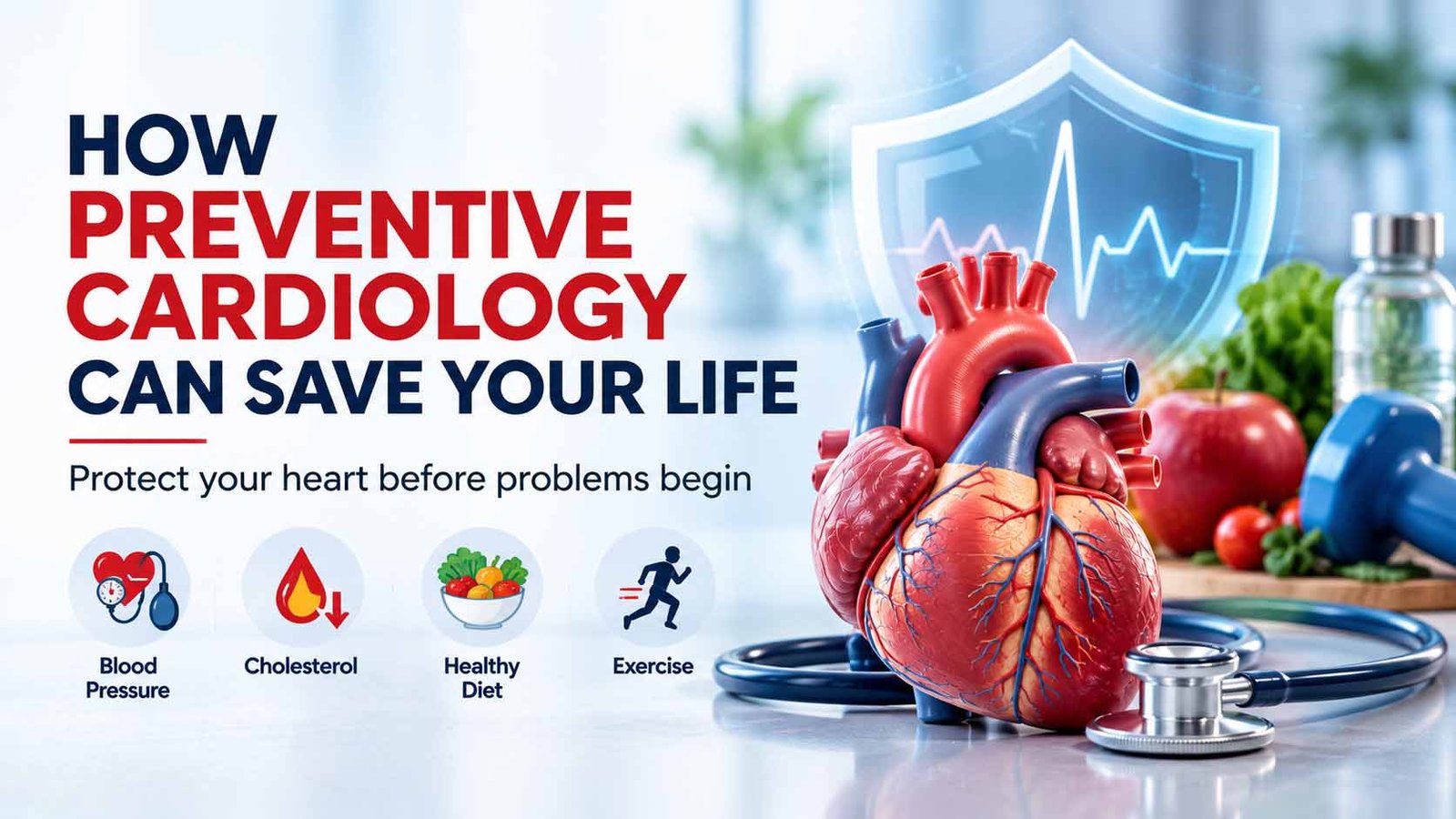
Preventive cardiology focuses on reducing the risk of heart disease through early risk assessment, healthy lifestyle choices, and appropriate medical management.
Dr. Vineet Bansal, MBBS, MD, DM (Cardiology), a cardiologist in Meerut, highlights the importance of understanding cardiovascular risk factors and adopting preventive measures to support long-term heart health.
Preventive cardiology is a branch of cardiovascular medicine dedicated to identifying, assessing, and reducing the risk of heart-related diseases.
Rather than focusing only on treating existing heart conditions, preventive cardiology aims to lower the likelihood of developing cardiovascular problems in the first place.
It involves evaluating factors such as blood pressure, cholesterol levels, blood sugar, family history, smoking habits, physical activity, and overall lifestyle.
Preventive cardiology also helps individuals who already have cardiovascular disease reduce their risk of future complications.
Primary Prevention: Focuses on reducing the risk of a first cardiovascular event, such as a heart attack or stroke, in people who have not previously experienced one.
Secondary Prevention: Aims to prevent additional cardiovascular events in individuals who already have diagnosed cardiovascular disease or have experienced a heart attack, stroke, or related complication.
Both approaches play an important role in long-term cardiovascular health.
Heart disease may develop silently. Conditions such as high blood pressure, diabetes, and elevated cholesterol can increase cardiovascular risk without producing obvious symptoms.
Over time, uncontrolled risk factors can contribute to damage in blood vessels and the development of atherosclerosis, a condition in which fatty deposits accumulate within artery walls.
These changes may increase the likelihood of heart attacks, strokes, and other cardiovascular complications.
Preventive cardiology helps by:
Early identification does not guarantee that heart disease can be avoided, but appropriate prevention strategies can significantly reduce cardiovascular risk.
The first step in preventive cardiology is understanding your individual cardiovascular risk.
Some risk factors can be modified through lifestyle changes or medical treatment, while others cannot be changed.
High Blood Pressure: Uncontrolled blood pressure increases the strain on the heart and blood vessels and raises the risk of heart attack, stroke, and heart failure.
High Cholesterol: Elevated LDL cholesterol can contribute to plaque formation in the arteries, increasing the risk of coronary artery disease.
Diabetes: Persistently high blood sugar can damage blood vessels and increase cardiovascular risk.
Smoking and Tobacco Use: Tobacco exposure damages blood vessels and increases the likelihood of cardiovascular disease.
Physical Inactivity: A sedentary lifestyle can contribute to obesity, high blood pressure, and metabolic problems.
Unhealthy Dietary Habits: Excess sodium, saturated fats, and highly processed foods may contribute to cardiovascular risk.
Certain factors cannot be changed, including:
Understanding both modifiable and non-modifiable factors helps healthcare professionals recommend appropriate preventive strategies.
Preventive heart health assessments help identify risk factors that may otherwise remain unnoticed.
Depending on an individual's age, symptoms, medical history, and risk profile, a healthcare professional may recommend:
Blood Pressure Measurement: Helps identify hypertension and assess whether blood pressure is adequately controlled.
Lipid Profile: Measures cholesterol and triglyceride levels to support cardiovascular risk assessment.
Blood Sugar or HbA1c Testing: Helps identify diabetes or prediabetes.
Blood Sugar or HbA1c Testing: Helps identify diabetes or prediabetes.
Body Weight and Waist Assessment: Provides information about excess body weight and metabolic risk.
Cardiovascular Risk Estimation: Uses factors such as age, cholesterol, blood pressure, diabetes, and smoking history to estimate future cardiovascular risk.
In selected patients, additional tests may be appropriate. However, routine ECGs, echocardiograms, stress tests, or cardiac CT scans are not necessary for every healthy person without symptoms.
The choice of investigation should be guided by an individualized clinical assessment.
Diet plays a major role in cardiovascular health.
A balanced eating pattern can help manage cholesterol, blood pressure, blood sugar, and body weight.
Heart-supportive dietary habits include:
Dietary patterns such as the Mediterranean-style diet and DASH diet have evidence supporting cardiovascular benefits.
Consistency is generally more important than following short-term restrictive diets.
Physical activity is one of the most effective lifestyle measures for supporting cardiovascular health.
Regular exercise can help improve blood pressure, cholesterol levels, blood sugar control, body weight, and overall cardiovascular fitness.
For many adults, general recommendations include:
Examples of moderate physical activity include brisk walking, cycling at a comfortable pace, and swimming.
Individuals with known heart disease, significant symptoms, or other medical limitations should seek professional guidance before beginning strenuous exercise.
Even small increases in daily movement can provide health benefits.
Three major contributors to cardiovascular disease are hypertension, elevated cholesterol, and diabetes.
These conditions frequently develop without obvious symptoms.
Regular blood pressure monitoring, reduced sodium intake, physical activity, weight management, and prescribed medications can help control hypertension.
Healthy dietary habits and physical activity can improve cholesterol levels. Some individuals may also require cholesterol-lowering medications, such as statins, based on their cardiovascular risk.
Maintaining appropriate blood sugar levels, following a balanced diet, remaining physically active, and taking prescribed medications can reduce the risk of diabetes-related complications.
Treatment decisions and target levels should be individualized by a qualified healthcare professional.
Smoking is a major preventable risk factor for cardiovascular disease.
Tobacco use can damage blood vessel walls, increase blood clotting tendencies, and contribute to atherosclerosis.
Quitting smoking can reduce cardiovascular risk over time, even in individuals who have smoked for many years.
Avoiding secondhand smoke and other tobacco products is also important for cardiovascular health.
People who need support with tobacco cessation can discuss evidence-based behavioral and medical options with a healthcare professional.
Good cardiovascular health involves more than diet and exercise.
Poor sleep, chronic stress, and unhealthy coping habits can negatively affect blood pressure, metabolic health, and cardiovascular well-being.
Helpful measures include:
Loud snoring, breathing pauses during sleep, or excessive daytime sleepiness may suggest sleep apnea, which is associated with cardiovascular health risks.
Preventive cardiovascular risk assessment can be particularly relevant for people with:
Adults without known risk factors can also benefit from age-appropriate preventive healthcare.
The timing and frequency of assessments should depend on individual risk rather than a universal testing schedule.
Preventive cardiology can substantially reduce the risk of heart attacks and other cardiovascular events by addressing underlying risk factors.
For example, controlling blood pressure, lowering elevated LDL cholesterol when indicated, quitting smoking, and managing diabetes can reduce cardiovascular risk.
However, no preventive strategy can eliminate the possibility of a heart attack completely.
Preventive measures are most effective when they are appropriate for the individual and maintained over time.
Cardiovascular risk factors such as hypertension, diabetes, smoking, and physical inactivity affect people across urban and rural communities.
For individuals living in Meerut and nearby areas, understanding heart disease risk factors and maintaining regular preventive healthcare can support better long-term health.
Dr. Vineet Bansal, MBBS, MD, DM (Cardiology), is a cardiologist based in Meerut, Uttar Pradesh.
Educational awareness about cardiovascular prevention helps individuals understand the importance of risk assessment, healthy lifestyle choices, and timely medical evaluation.
The primary goal is to reduce the likelihood of cardiovascular disease and related complications by identifying and managing risk factors before serious events occur.
Healthy habits should begin early in life. The need for cardiovascular risk assessments depends on age, family history, existing medical conditions, and other risk factors.
Yes. Some individuals may have high cholesterol, high blood pressure, or other cardiovascular risk factors without noticeable symptoms.
No. These tests are not routinely necessary for all asymptomatic adults. Healthcare professionals recommend investigations according to individual symptoms, medical history, and cardiovascular risk.
Yes. Regular exercise, healthy eating, tobacco cessation, blood pressure control, and appropriate cholesterol and diabetes management can significantly reduce cardiovascular risk.
Yes. Secondary prevention is particularly important after a heart attack and may include prescribed medications, cardiac rehabilitation, risk factor management, and long-term follow-up.
Preventive cardiology plays an important role in reducing the burden of cardiovascular disease.
By identifying risk factors early, maintaining healthy lifestyle habits, and managing medical conditions appropriately, individuals can lower their likelihood of heart attacks, strokes, and other cardiovascular complications.
The most effective approach to heart health combines awareness, evidence-based prevention, and individualized medical care.
Medical Disclaimer: This article is intended solely for public awareness and educational purposes. It does not constitute personalized medical advice, diagnosis, or treatment. Individuals should consult a qualified healthcare professional for medical concerns. In case of suspected heart attack symptoms, seek emergency medical assistance immediately.